Beginner's Guide to Sustainable Garden Design


Understanding Sustainable Garden Design
Creating a sustainable garden is not just about planting trees and flowers; it's about designing an ecosystem that thrives with minimal human intervention. By focusing on sustainability, you ensure that your garden supports local wildlife, conserves water, and reduces waste. This approach not only benefits the environment but also enhances the beauty and functionality of your garden.
To start, consider the local climate and soil conditions. Choose native plants that are adapted to your area's weather patterns and soil types. These plants tend to require less water and are more resistant to pests and diseases. By using native plants, you create a habitat for local wildlife and reduce the need for chemical fertilizers and pesticides.
Designing with Purpose
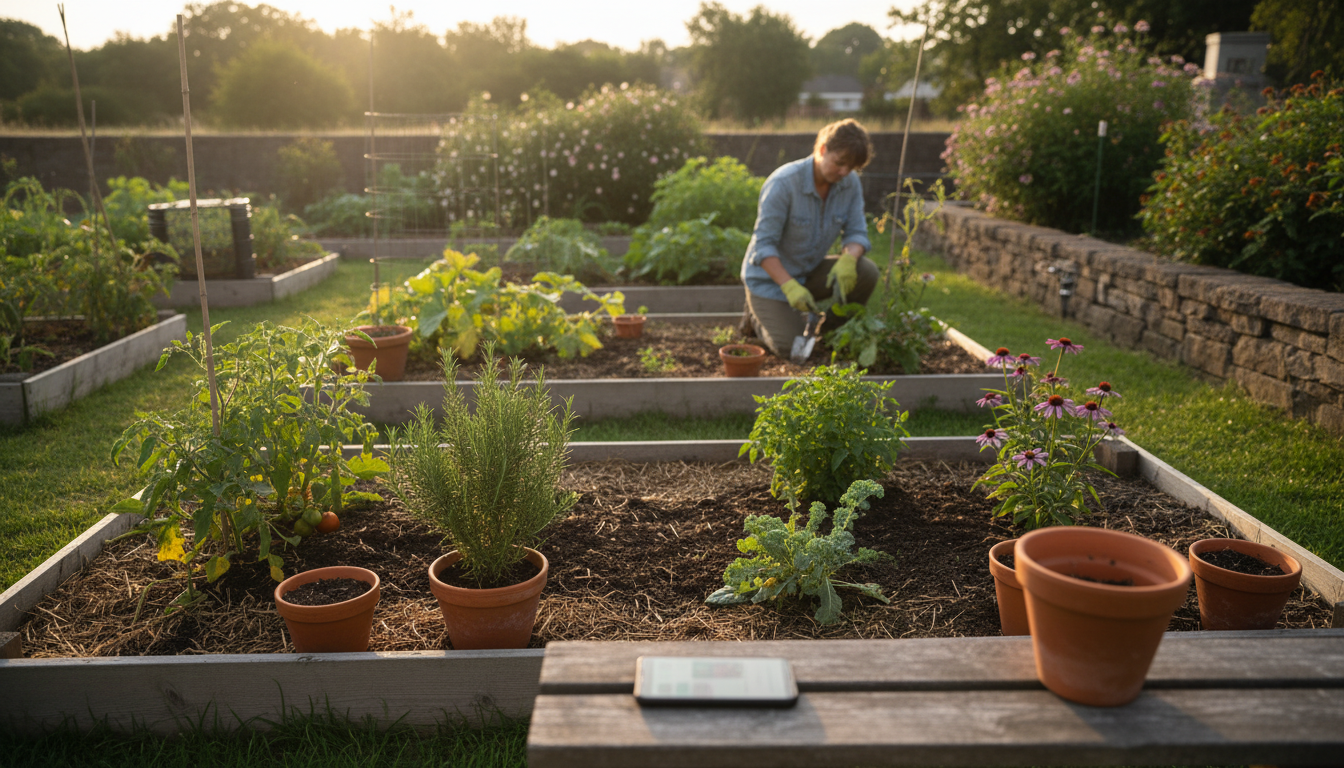
When planning your sustainable garden, think about its purpose. Do you want a space for relaxation, a habitat for wildlife, or a source of food? Each purpose will guide your plant and material choices. For instance, a pollinator garden will focus on flowers that attract bees and butterflies, while a vegetable garden will prioritize soil health and crop rotation.
Incorporate diverse plant species to create a resilient ecosystem. Diversity improves soil health, attracts beneficial insects, and reduces the likelihood of pest infestations. Use companion planting techniques, where certain plants support each other's growth, to maximize the health of your garden.
Water Conservation Techniques
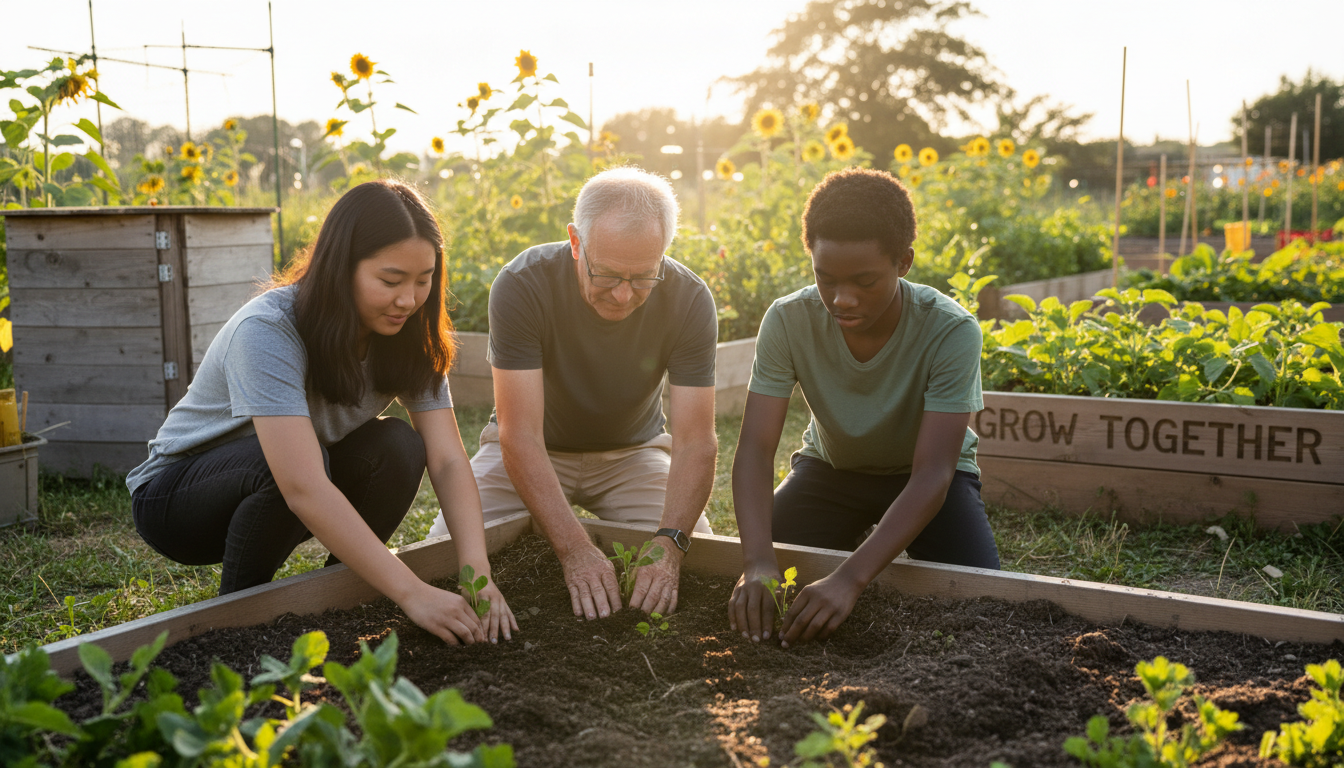
Water is a precious resource, and conserving it is a central tenet of sustainable gardening. Implement techniques such as rainwater harvesting and drip irrigation to minimize water usage. Rain barrels can collect water from your roof, providing a free and sustainable source of irrigation for your garden.
Mulching is another effective method to retain moisture in the soil. By covering the soil with organic materials like straw or wood chips, you reduce evaporation and suppress weeds, which compete with your plants for resources. Mulching also improves soil structure as it decomposes, adding nutrients to the soil.

Soil Health and Composting
Healthy soil is the foundation of a thriving garden. Focus on building soil health by incorporating organic matter and reducing soil compaction. Composting is an excellent way to recycle garden and kitchen waste into rich, nutrient-dense soil amendments. Start a compost pile or bin and regularly add vegetable scraps, coffee grounds, and yard waste.
Avoid synthetic fertilizers, which can harm beneficial soil organisms and pollute waterways. Instead, use natural fertilizers like compost tea or well-rotted manure to provide essential nutrients to your plants. This approach not only feeds your garden but also supports a healthy soil ecosystem.
Reduce, Reuse, Recycle
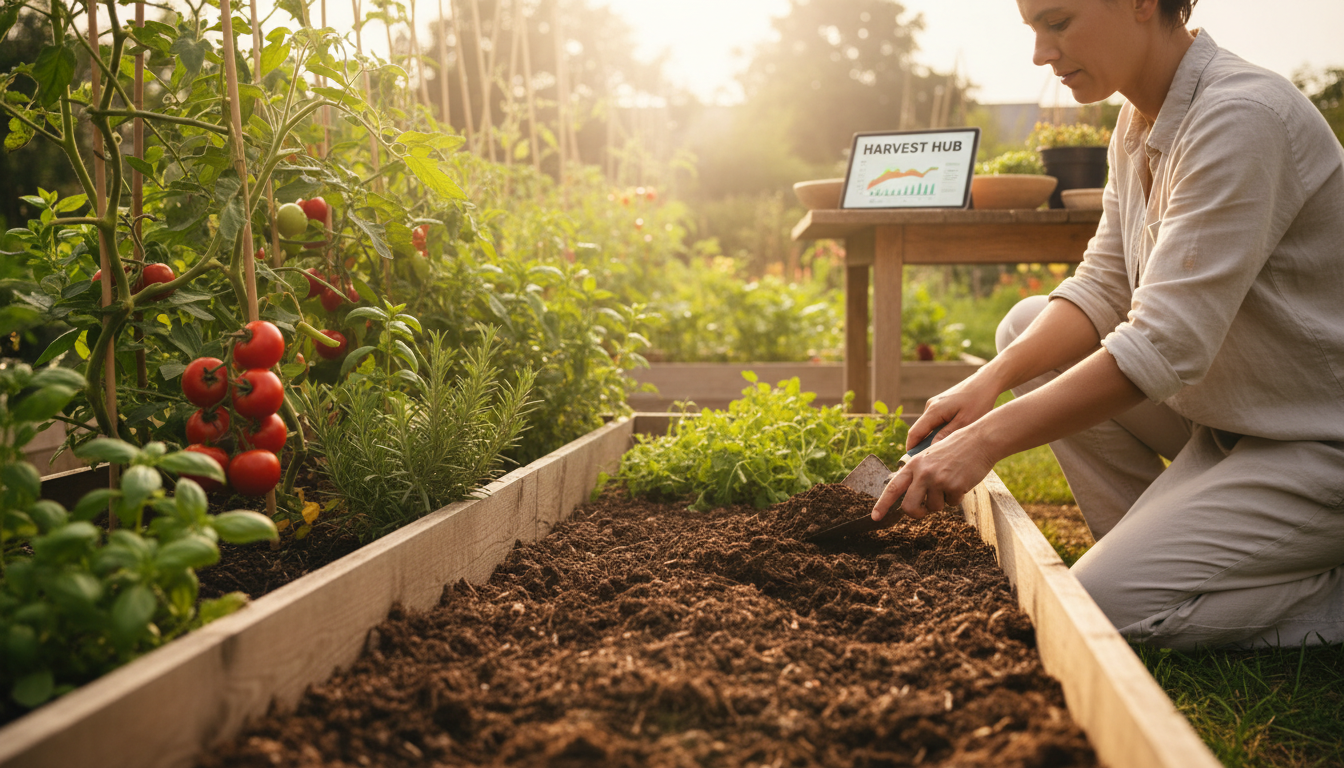
Embrace the principles of reduce, reuse, and recycle in your garden design. Use reclaimed materials for pathways, borders, and garden structures. Old bricks, wood pallets, and stones can be repurposed creatively, reducing waste and adding unique character to your garden.
Consider the lifecycle of the materials you introduce to your garden. Opt for biodegradable and recyclable options whenever possible. By making mindful choices, you contribute to a more sustainable environment and reduce your garden's carbon footprint.
With these steps, you can create a sustainable garden that not only looks beautiful but also supports the environment and conserves resources. Embrace the challenge and enjoy the rewards of a garden that thrives in harmony with nature.