Choosing the Right Plants for Your Climate: A Regional Guide


Understanding Your Climate Zone
When it comes to gardening, knowing your climate zone is crucial for selecting the right plants. Climate zones are defined by factors such as temperature, humidity, and rainfall. The USDA Plant Hardiness Zone Map is a great resource for identifying your specific zone. This guide will help you understand how to choose plants that will thrive in your area, ensuring a lush and productive garden.

Northern Regions
Cold Hardy Plants
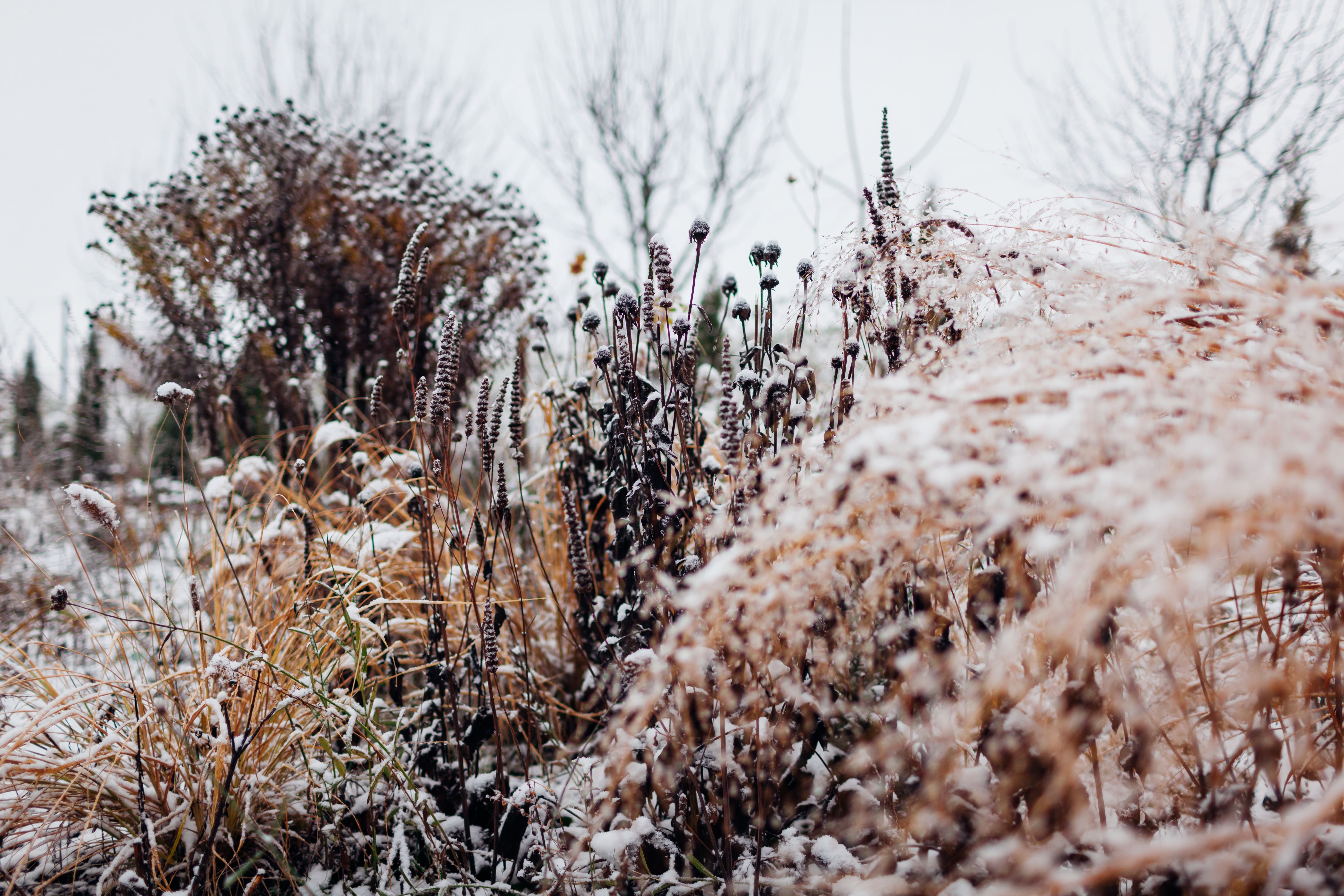
In northern regions, such as the upper Midwest and Northeast, winters can be harsh. It's essential to choose plants that can withstand cold temperatures. Look for cold-hardy perennials like peonies and daylilies. These plants are not only beautiful but also resilient, making them perfect for colder climates.
Seasonal Considerations
Consider the length of your growing season when selecting plants. In areas with short summers, opt for fast-growing vegetables like radishes and lettuce. These can be harvested quickly and are ideal for maximizing the growing season.
Southern Regions
Heat Tolerant Choices
In southern climates, where heat and humidity are prevalent, it's important to choose plants that can thrive in these conditions. Consider heat-tolerant species like lantanas and crepe myrtles. These plants are known for their ability to withstand high temperatures while adding vibrant color to your garden.
Drought-Resistant Options
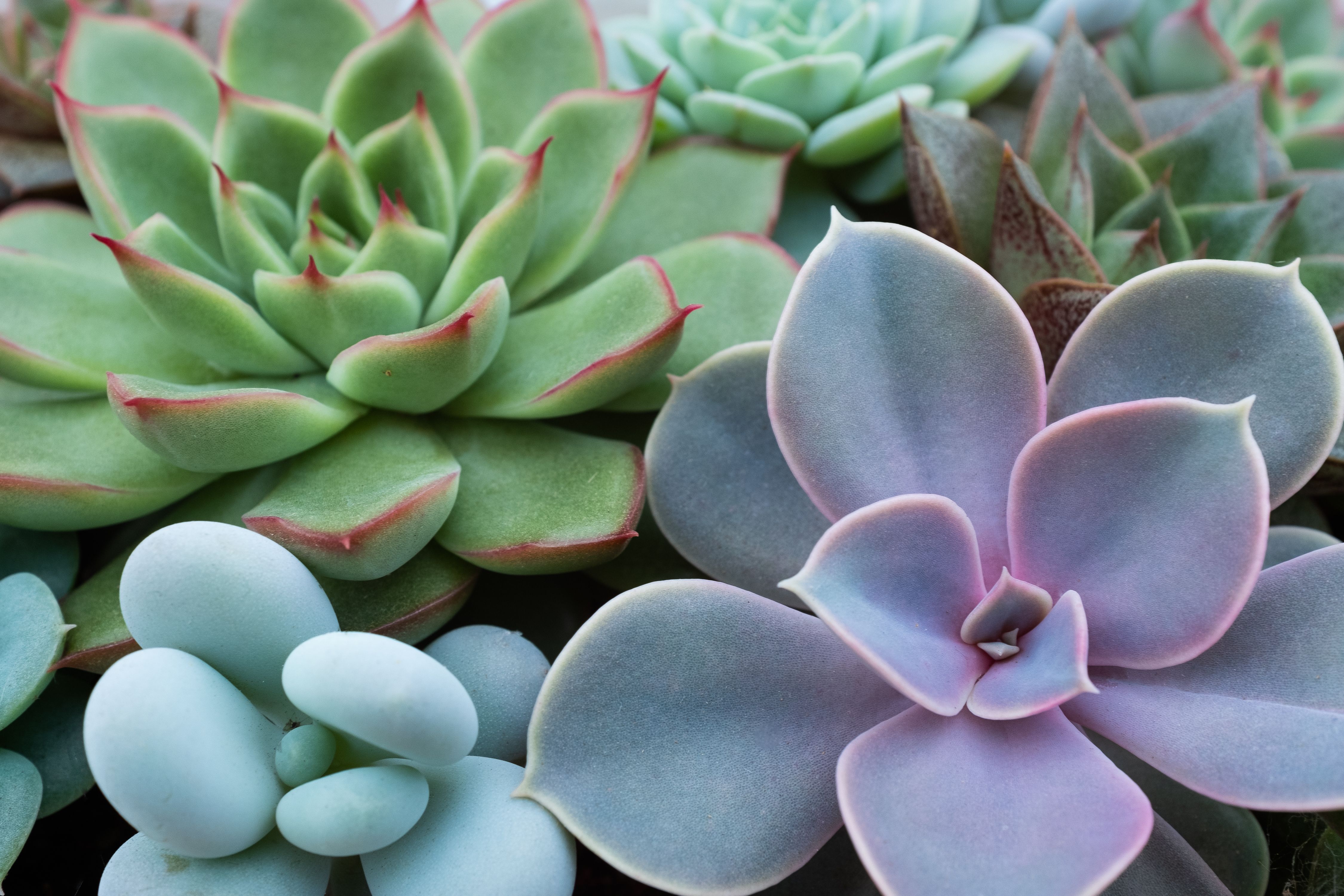
Water conservation is a concern in many southern areas. Choose drought-resistant plants such as succulents and lavender. These species require less water, making them perfect for regions that experience dry spells.
Western Regions
Dealing with Arid Climates
Western regions, particularly the Southwest, often face arid conditions. Selecting plants that thrive in dry environments is key. Consider using native plants like sagebrush and yucca, which are well-adapted to the local climate and require minimal water.
Managing Altitude
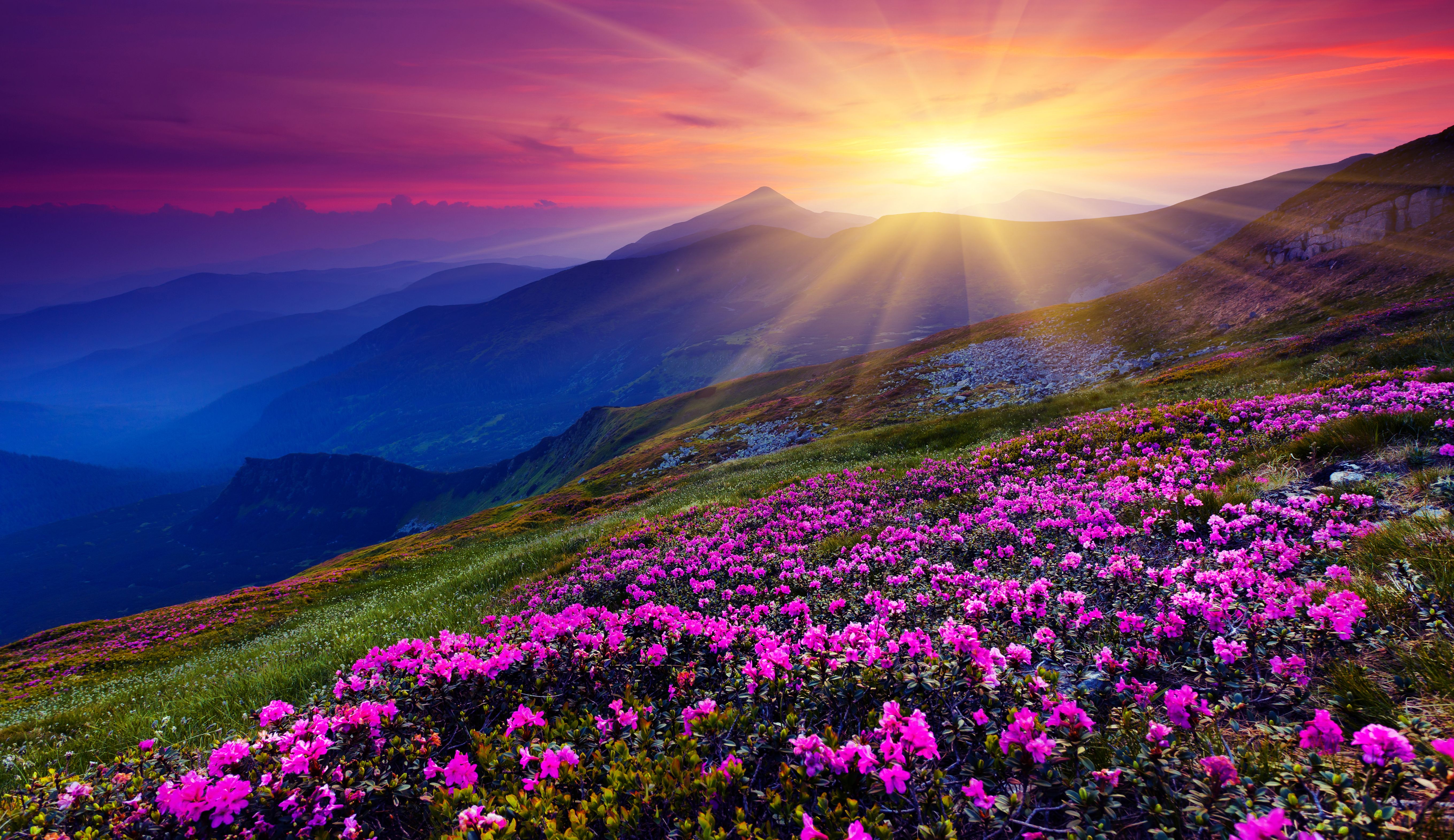
If you live in a mountainous area, altitude can affect your plant choices. Opt for plants that can tolerate cooler temperatures and shorter growing seasons, such as alpine asters and columbines.
Midwestern Regions
Dealing with Variable Weather
The Midwest is known for its unpredictable weather patterns. Choose versatile plants that can handle sudden changes, such as coneflowers and black-eyed Susans. These hardy plants can adapt to different conditions, ensuring a thriving garden even when the weather is unpredictable.
Soil Considerations
Soil quality can vary across the Midwest, so consider testing your soil before planting. This will help you select plants that are well-suited to your soil type, ensuring better growth and productivity.