DIY Vertical Gardens: Transform Small Spaces into Lush Retreats


Why Choose a Vertical Garden?
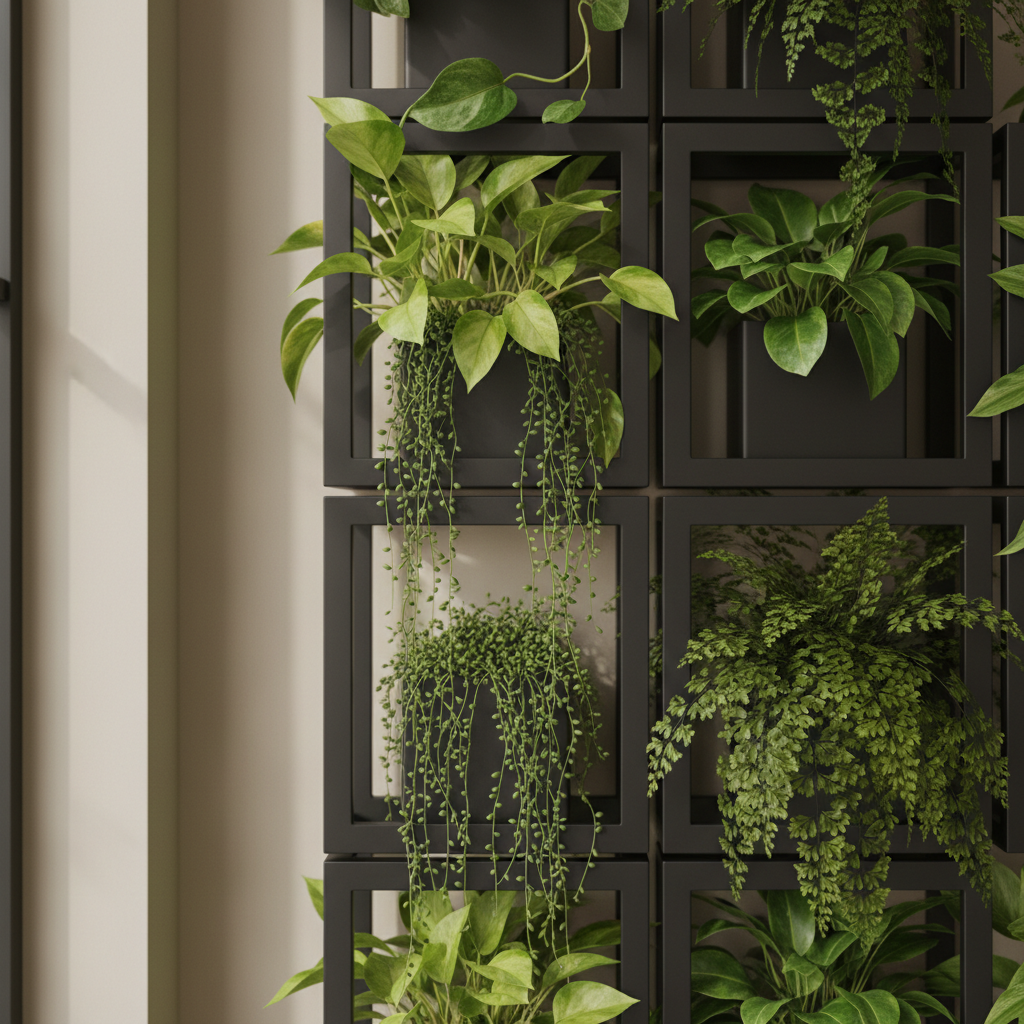
With urban living spaces becoming increasingly compact, many people are left wondering how to bring a bit of greenery into their homes. Vertical gardens offer an innovative solution, transforming small spaces into lush retreats. By growing plants upward instead of outward, you can maximize limited space while adding a touch of nature to your surroundings. Whether you're a seasoned gardener or a beginner, vertical gardens are an excellent way to enhance your living environment.
Benefits of Vertical Gardens
Vertical gardens aren't just visually appealing; they come with a host of benefits. They can improve air quality by filtering pollutants and providing oxygen. Additionally, these gardens can help reduce energy costs by acting as natural insulators, keeping your home cooler in the summer and warmer in the winter. Moreover, tending to a vertical garden can be a therapeutic activity, offering a calming escape from the hustle and bustle of daily life.
Getting Started with Your Vertical Garden
Starting a vertical garden is easier than you might think. Begin by selecting a suitable wall or structure that receives adequate sunlight. Depending on your space and needs, you can choose from a variety of materials like wood pallets, trellises, or even repurposed items like shoe organizers. The key is to ensure your framework is sturdy enough to support the weight of the plants and soil.
Choosing the Right Plants
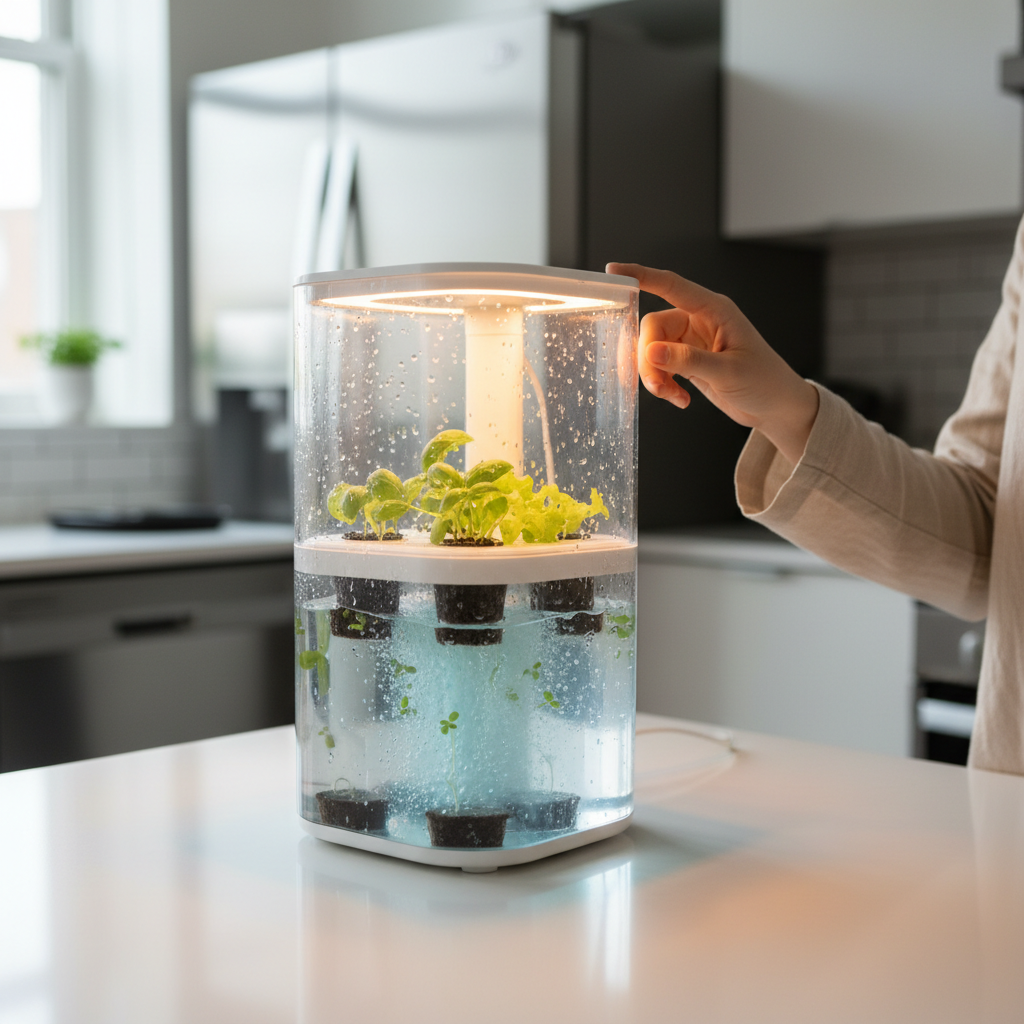
When it comes to plant selection, the options are virtually limitless. Consider plants that thrive in your climate and meet your aesthetic preferences. Some popular choices for vertical gardens include ferns, succulents, herbs, and flowering plants. Herbs such as basil, parsley, and mint can be both decorative and functional, offering fresh ingredients for your culinary creations.
Maintaining Your Vertical Garden
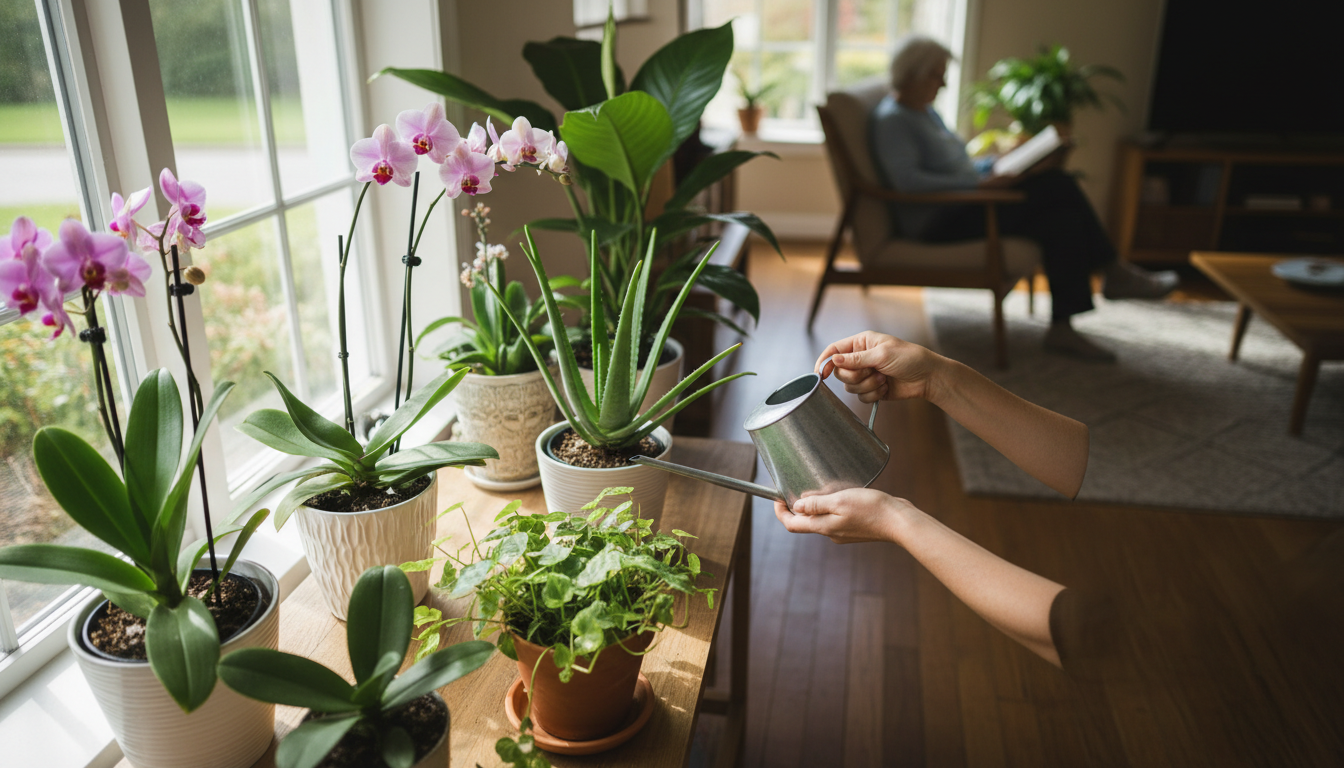
Maintenance is crucial for the success of your vertical garden. Regular watering is essential, especially during dry periods. Depending on your setup, you may need to install a drip irrigation system to ensure even water distribution. Additionally, be sure to monitor your plants for any signs of pests or diseases, and take action promptly to keep your garden healthy.
Creative Design Ideas
Don't be afraid to get creative with your vertical garden design. Use colorful pots or containers to make your garden pop. Incorporate a mix of plant textures and heights for visual interest. You can also add decorative elements like fairy lights or small sculptures to enhance the aesthetic appeal of your green oasis.
Conclusion
Vertical gardens are a fantastic way to bring nature into your home, regardless of space constraints. They offer numerous benefits, from improved air quality to energy savings, and provide a unique opportunity to explore your creativity. By following these simple steps, you can transform any small area into a lush retreat that refreshes both body and mind.