Expert Tips for Maintaining a Beautiful Garden Year-Round


Plan for Seasonal Changes
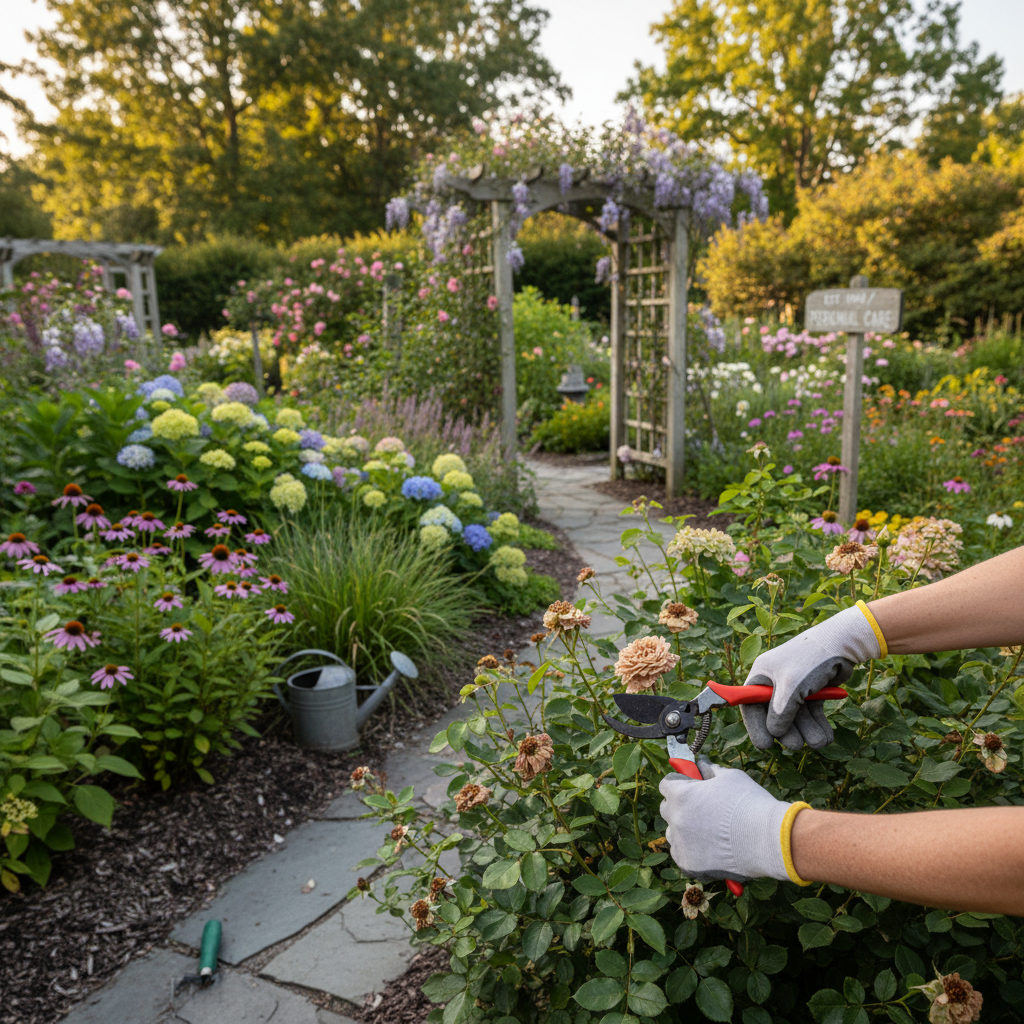
One of the keys to maintaining a beautiful garden year-round is to plan for seasonal changes. Each season brings its own set of challenges and opportunities. By understanding the specific needs of your plants throughout the year, you can ensure they thrive no matter the weather.
Start by researching the types of plants best suited for each season in your region. Consider incorporating a mix of perennials and annuals to ensure continuous blooms. Remember, a well-planned garden takes advantage of each season's unique characteristics.
Soil Care and Fertilization
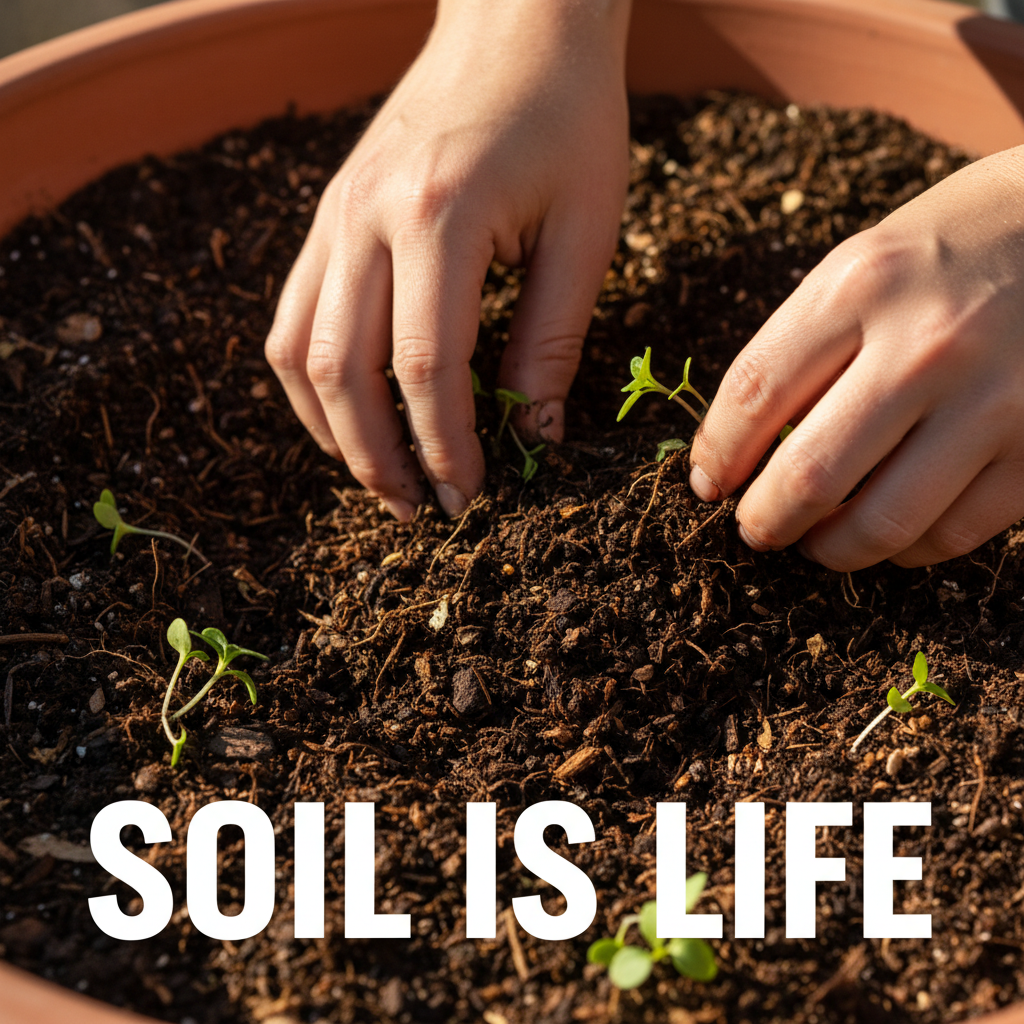
A healthy garden starts with healthy soil. Regularly test your soil to determine its pH level and nutrient content. Based on the results, you can amend the soil with the necessary nutrients to support plant growth. Adding organic matter like compost can improve soil structure and fertility.
Fertilization plays a crucial role in maintaining a lush garden. Use a balanced fertilizer suited to your specific plants, and follow the recommended application schedule. Over-fertilizing can harm plants, so it's essential to adhere to guidelines.
Watering Wisely
Proper watering techniques are vital for a thriving garden. Overwatering or underwatering can lead to plant stress and disease. Water deeply but less frequently to encourage deep root growth. Early morning is the best time to water, as it reduces evaporation and fungal diseases.
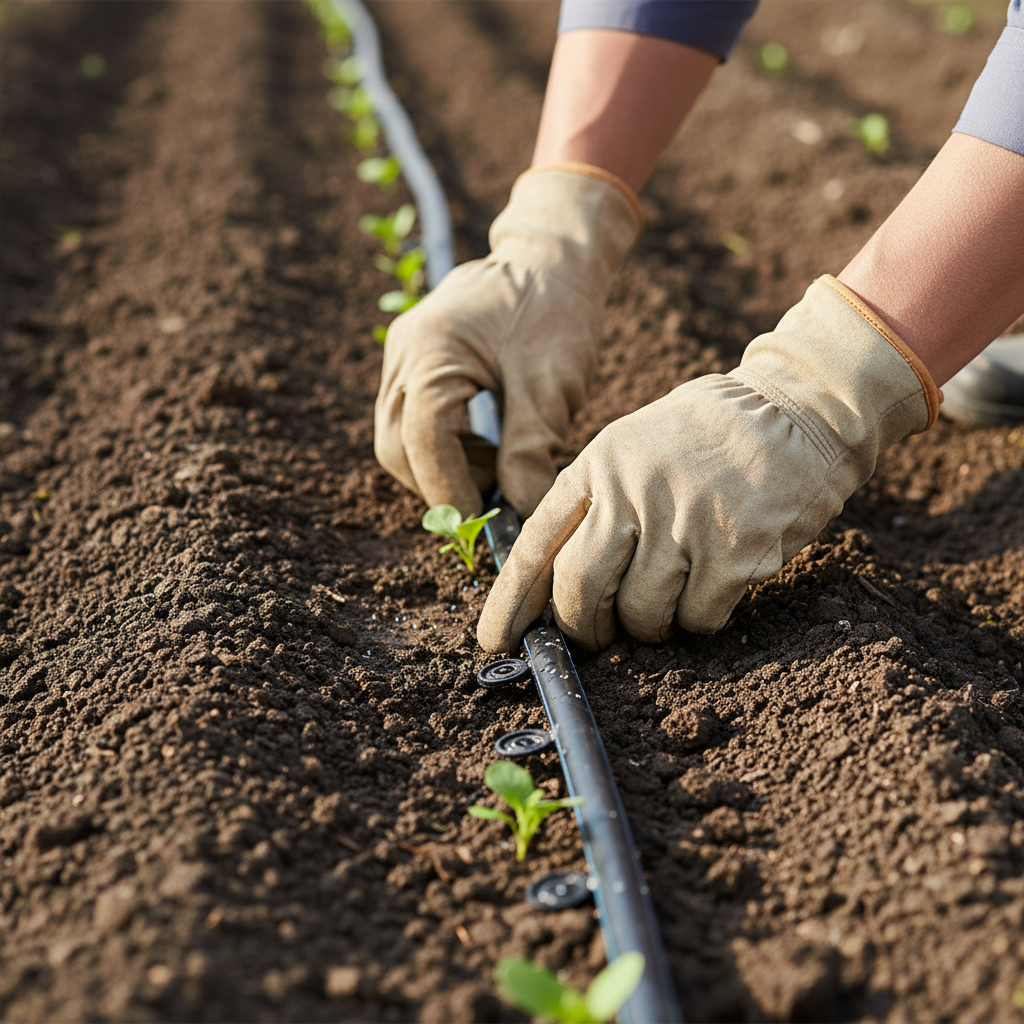
Consider installing a drip irrigation system for efficient watering. It delivers water directly to the plant roots, minimizing waste and promoting healthy growth.
Pest and Disease Management
Keeping pests and diseases at bay is essential for garden health. Regularly inspect your plants for signs of trouble and address issues promptly. Encourage beneficial insects like ladybugs and lacewings, which can control pest populations naturally.
Use organic pesticides and fungicides when necessary, and always follow the label instructions. Rotating crops and practicing companion planting can also reduce the risk of pest infestations.
Pruning and Maintenance
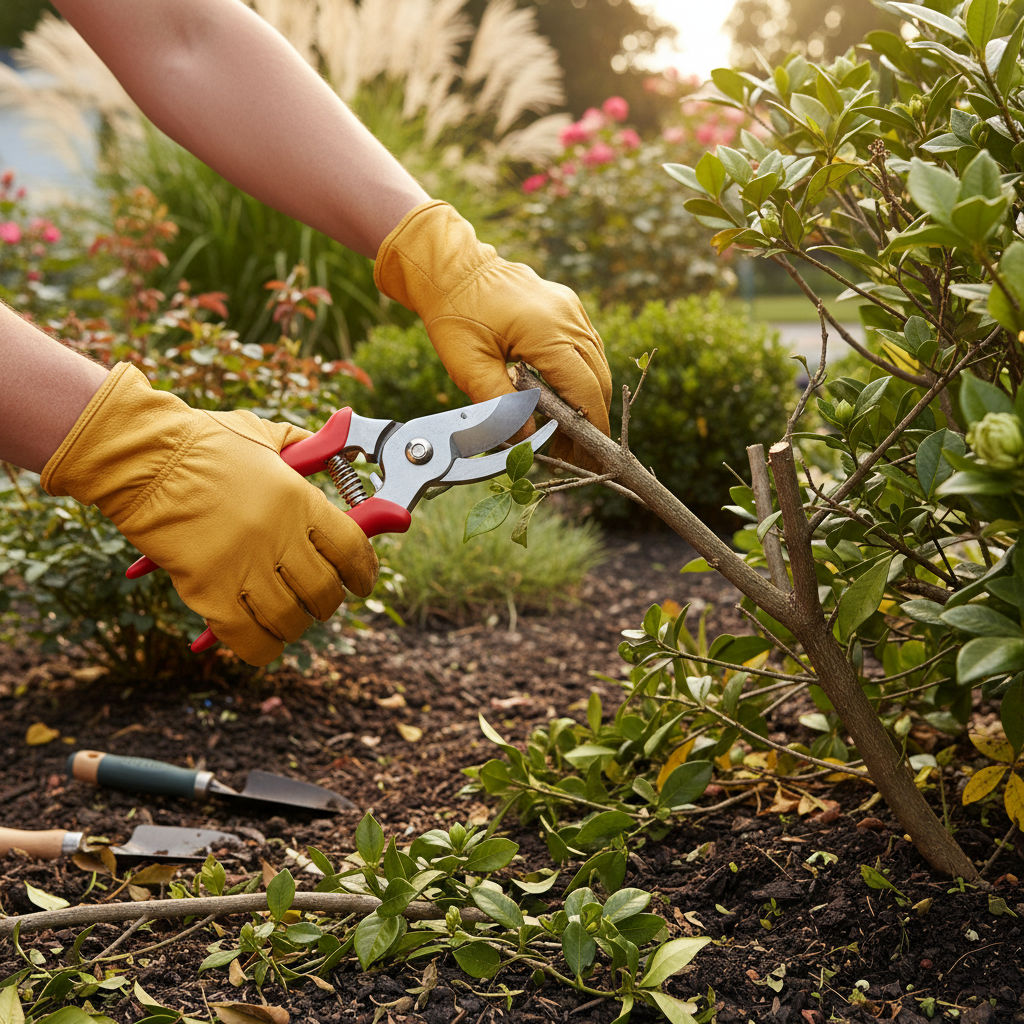
Regular pruning promotes healthy growth and maintains the shape of your plants. Remove dead or diseased branches, and trim back excessive growth to improve air circulation. Pruning at the right time of year is crucial; for instance, prune spring-flowering shrubs after they bloom.
Keep your garden tidy by removing weeds, debris, and spent blooms. This not only enhances its appearance but also prevents pests and diseases from taking hold.
Incorporate Mulching
Mulching is an effective way to conserve moisture, suppress weeds, and regulate soil temperature. Apply a layer of organic mulch, such as bark or straw, around your plants. It will break down over time, adding nutrients to the soil.
Ensure the mulch is spread evenly and avoid piling it against plant stems, which can lead to rot and other issues.
Choose the Right Plants
Selecting the right plants for your garden is crucial for year-round beauty. Consider native species that are well-suited to your climate and soil conditions. They require less maintenance and are more resistant to local pests and diseases.
Diversify your plant selection to create a dynamic and visually appealing garden. Mix different textures, colors, and heights to add interest and depth.
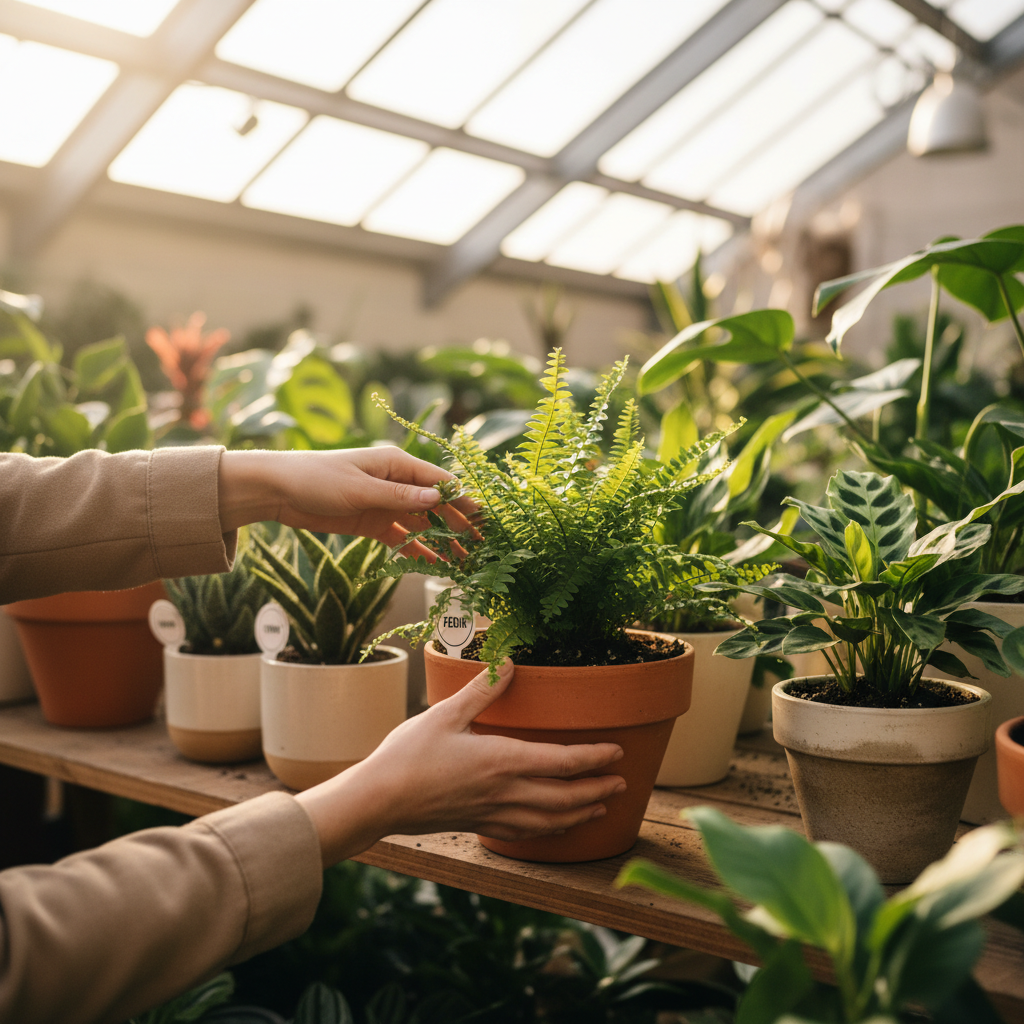
Enjoying Your Garden
Finally, remember that a garden is meant to be enjoyed. Take time to relax and appreciate the beauty you've cultivated. Whether it's a quiet morning with a cup of coffee or a lively gathering with friends, your garden should be a space of joy and tranquility.
By following these expert tips, you'll be well on your way to maintaining a stunning garden that brings pleasure throughout the year.