How to Choose the Right Plants for Your Climate


Understanding Your Climate
Choosing the right plants for your climate is crucial for a thriving garden. Understanding your local climate involves recognizing the average temperature range, humidity levels, and precipitation patterns in your area. These factors significantly impact which plants will flourish and which may struggle.
Begin by identifying your USDA Hardiness Zone, which provides a guideline based on the average annual minimum winter temperature. This will help you determine which plants are likely to survive and thrive in your region.

Consider Local Microclimates
Microclimates are small areas within your garden that have slightly different conditions than the overall climate. These can be influenced by factors such as elevation, proximity to water bodies, or structures that provide shade or wind protection. Understanding these nuances can help you select plants that are well-suited for specific areas of your garden.
For instance, a south-facing wall might create a warmer microclimate, ideal for plants that require more heat and sunlight. On the other hand, shaded areas might be perfect for ferns and other shade-loving species.
Choosing Plants for Different Climates
Once you’ve understood your climate, the next step is to select plants that match these conditions. Here's a general guide for different climates:
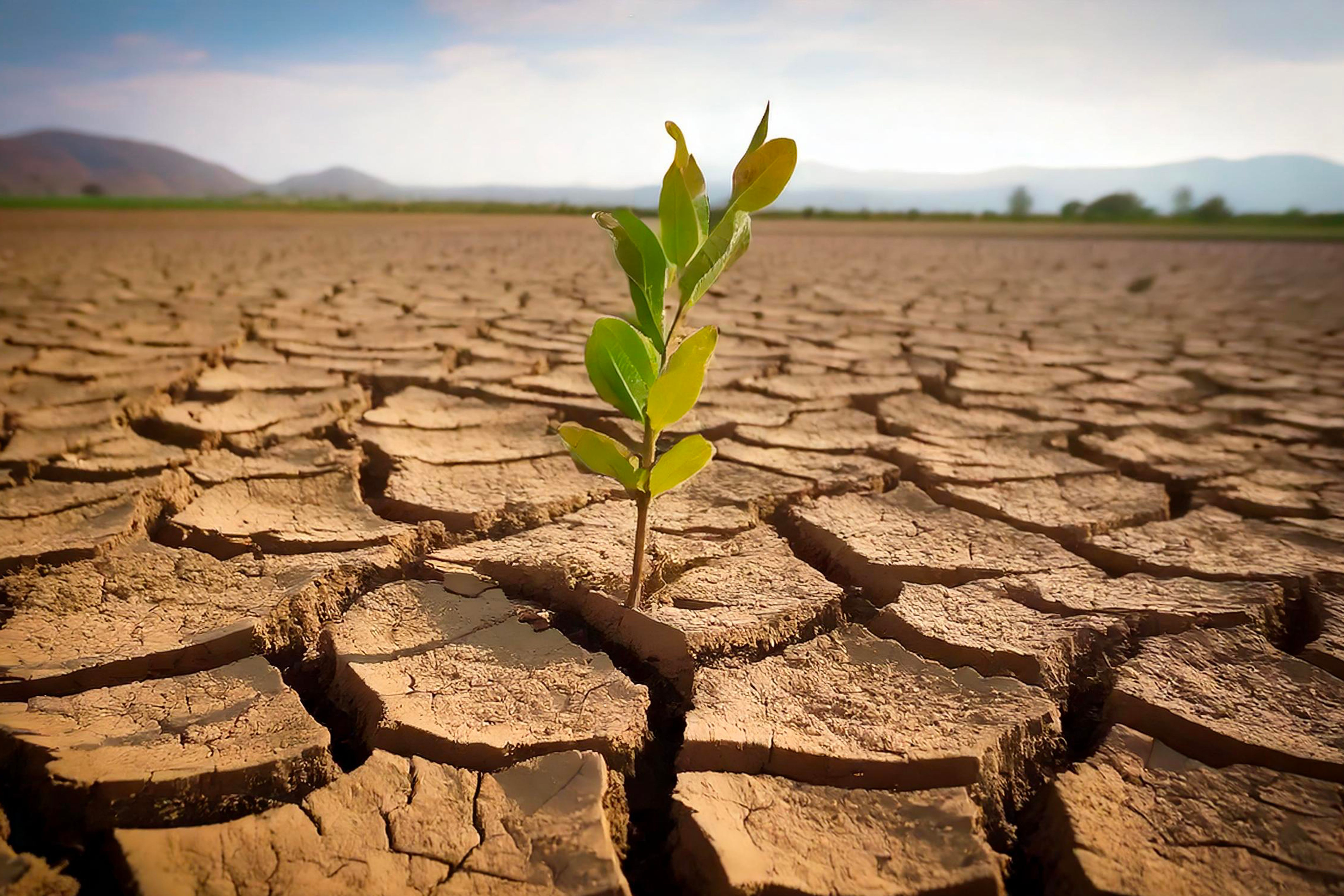
- Arid Climates: Opt for drought-resistant plants like succulents and cacti.
- Temperate Climates: Consider a mix of perennials, annuals, and shrubs that can handle seasonal changes.
- Tropical Climates: Choose plants that thrive in high humidity and heat, such as orchids and bromeliads.
- Cold Climates: Look for hardy plants that can survive frost, like evergreens and certain perennials.
Native Plants: A Sustainable Choice
Native plants are an excellent choice for any garden as they are already adapted to the local climate and soil conditions. They require less water, fertilizers, and pesticides, making them a sustainable option. Additionally, native plants support local wildlife, including pollinators like bees and butterflies.
Research which plants are indigenous to your area and consider incorporating them into your garden design. This not only ensures a thriving garden but also contributes to the local ecosystem.
Testing and Experimenting
Gardening is both an art and a science. While guidelines and recommendations are helpful, personal experimentation can lead to delightful surprises. Don’t be afraid to try new plants and observe how they respond to your garden’s unique conditions.
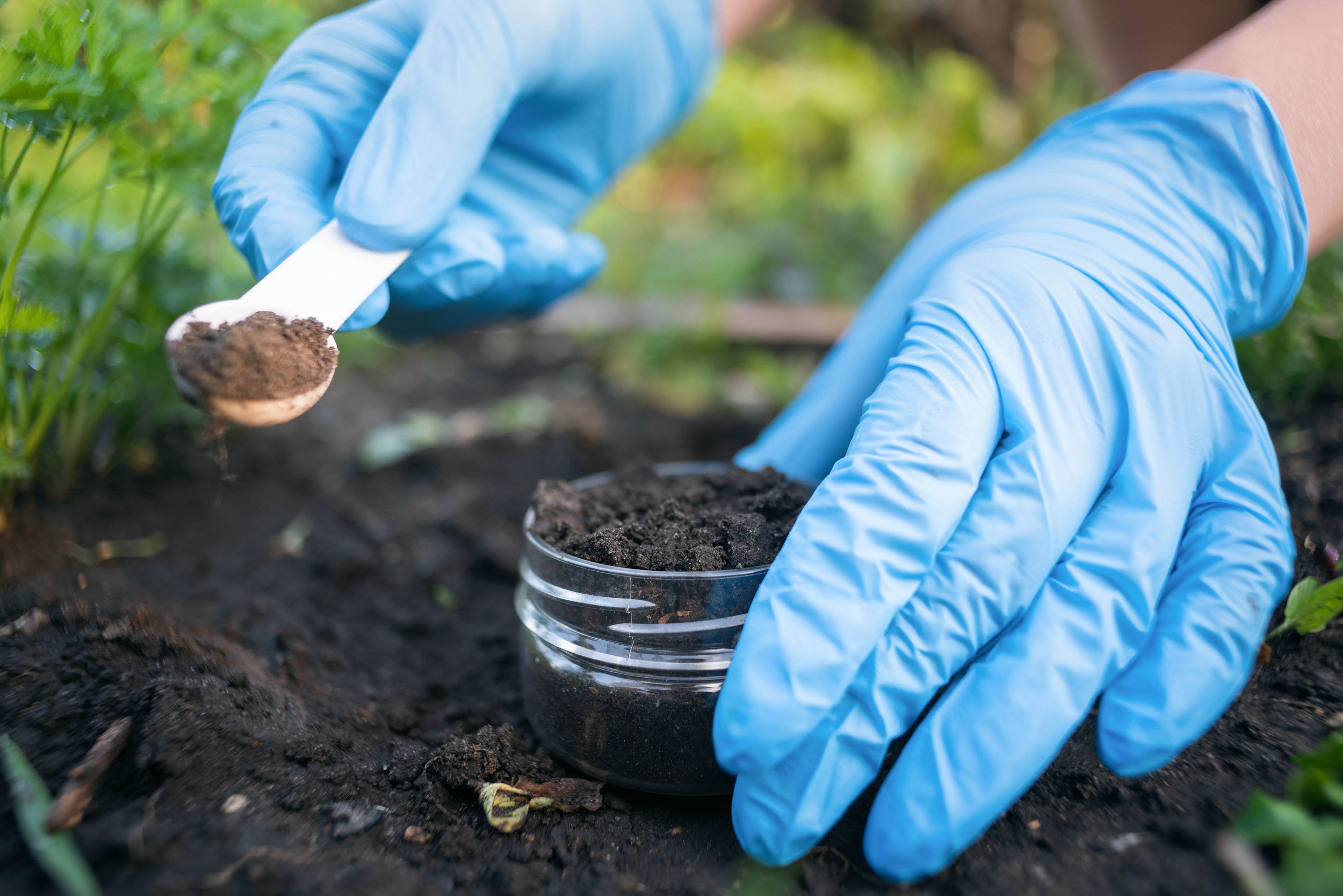
Start small by introducing a few new species each season. Monitor their growth, flowering patterns, and overall health. This hands-on approach can provide valuable insights and help you fine-tune your plant selections over time.
Conclusion: Planning for Success
Successfully choosing the right plants for your climate involves a blend of research, observation, and experimentation. By understanding your climate, considering microclimates, selecting native species, and being open to trial and error, you can create a vibrant and sustainable garden that thrives year-round.
Remember, a well-planned garden not only enhances the beauty of your surroundings but also supports the environment and provides personal satisfaction. Happy gardening!