How to Choose the Right Plants for Your Garden Design


Understanding Your Garden's Environment
Before selecting plants for your garden, it's crucial to understand the specific environmental conditions you're working with. Consider factors like sunlight, soil type, and climate. Some plants thrive in full sun, while others prefer shade. Knowing your garden's conditions will help you choose plants that will flourish.

Assessing Soil Quality
Soil quality is another critical factor. Conduct a soil test to determine the pH level and nutrient content. This will guide you in selecting plants that are well-suited to your soil type. You may also need to amend your soil with compost or other materials to improve its quality.
Choosing Plants for Aesthetic Appeal
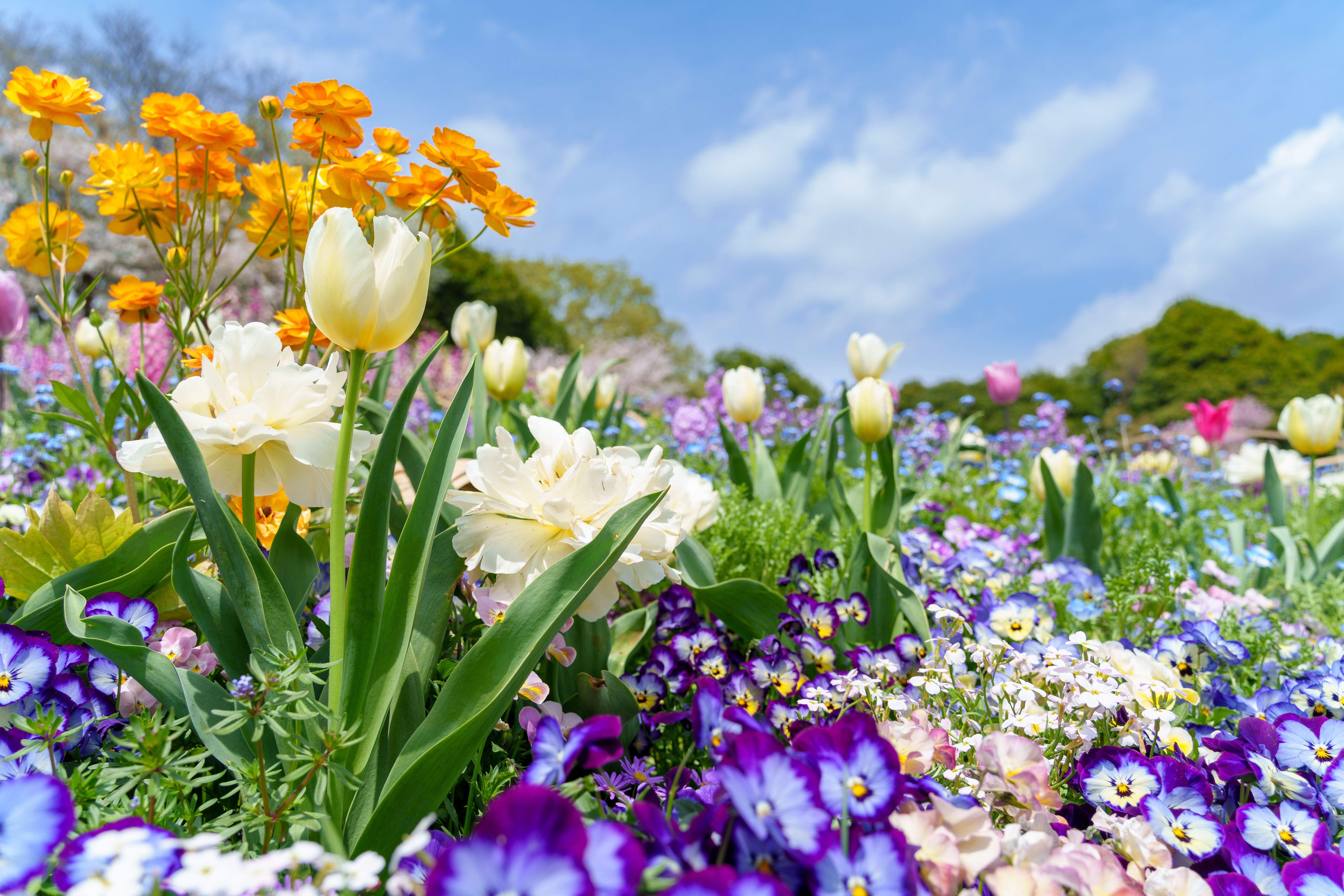
When planning your garden design, consider the visual appeal of different plants. Think about color schemes, textures, and plant sizes. Mixing a variety of plants can create a more dynamic and interesting garden. Remember to consider the bloom time of flowers to ensure year-round beauty.
Incorporating Native Plants
Integrating native plants into your garden can be beneficial for the local ecosystem. These plants are adapted to the local climate and soil, often requiring less maintenance and water. Additionally, native plants can attract local wildlife, such as bees and butterflies, enhancing biodiversity.
Considering Plant Maintenance
It's important to think about the level of care and maintenance each plant requires. Some plants need regular pruning and watering, while others are more low-maintenance. Choose plants based on the amount of time and effort you're willing to invest in your garden.
Planning for Growth and Space
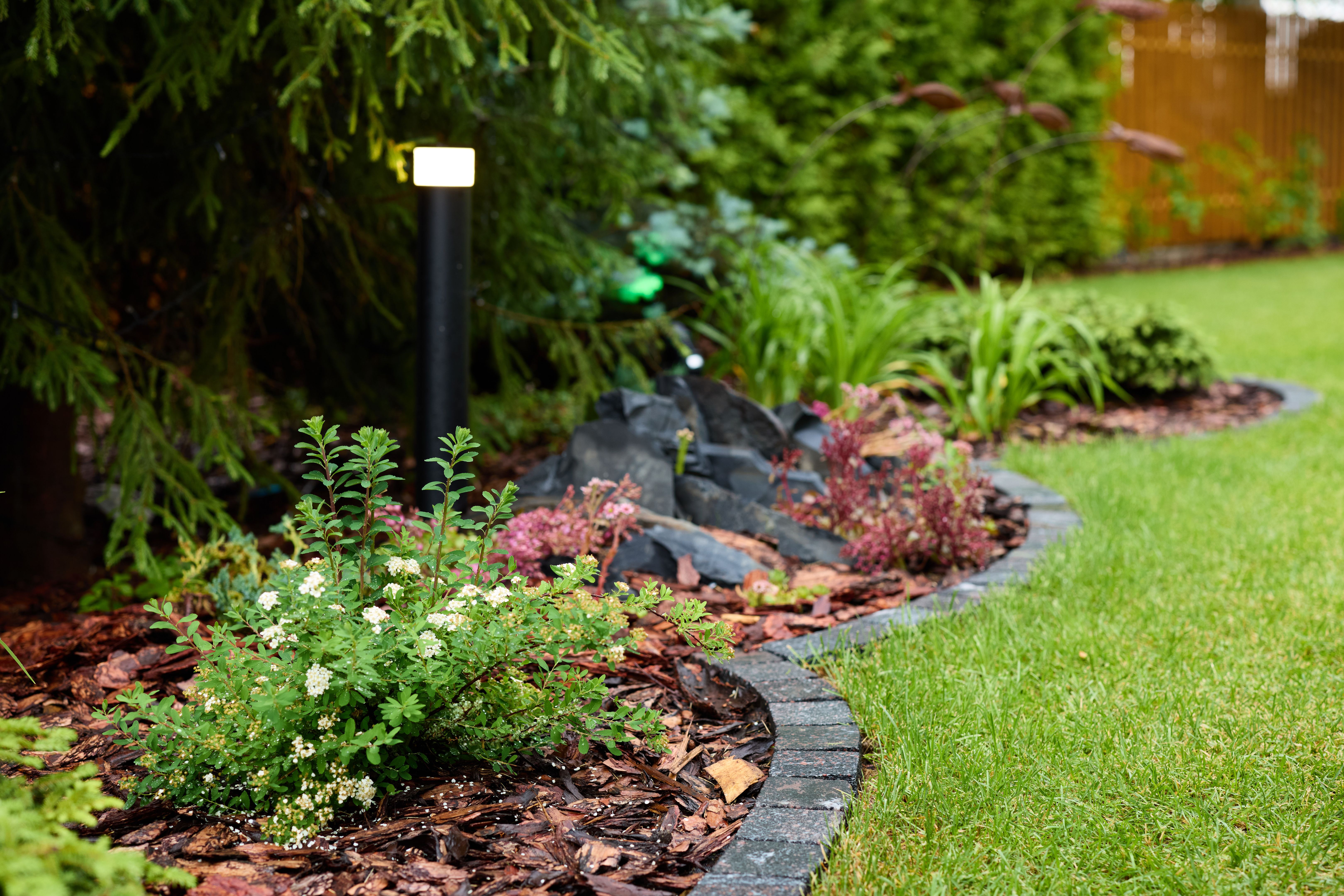
Consider the mature size of the plants you choose. Ensure you have enough space for them to grow and thrive without overcrowding. Proper spacing is essential for air circulation and preventing disease. Create a garden layout that accommodates the growth of each plant.
Exploring Different Plant Types
There are a variety of plant types to consider, including perennials, annuals, shrubs, and trees. Each type has its own benefits and can contribute differently to your garden's overall design. Perennials return year after year, while annuals offer vibrant colors for a single season.
Utilizing Herbs and Vegetables
Incorporating herbs and vegetables can add both beauty and functionality to your garden. They provide fresh produce and can be aesthetically pleasing. Consider companion planting, where certain plants benefit others by deterring pests or enhancing growth.
By carefully considering these factors, you can choose the right plants for your garden design, creating a beautiful and thriving outdoor space. Happy gardening!