How to Design a Low-Maintenance Garden Perfect for Any Climate


Understanding Your Climate
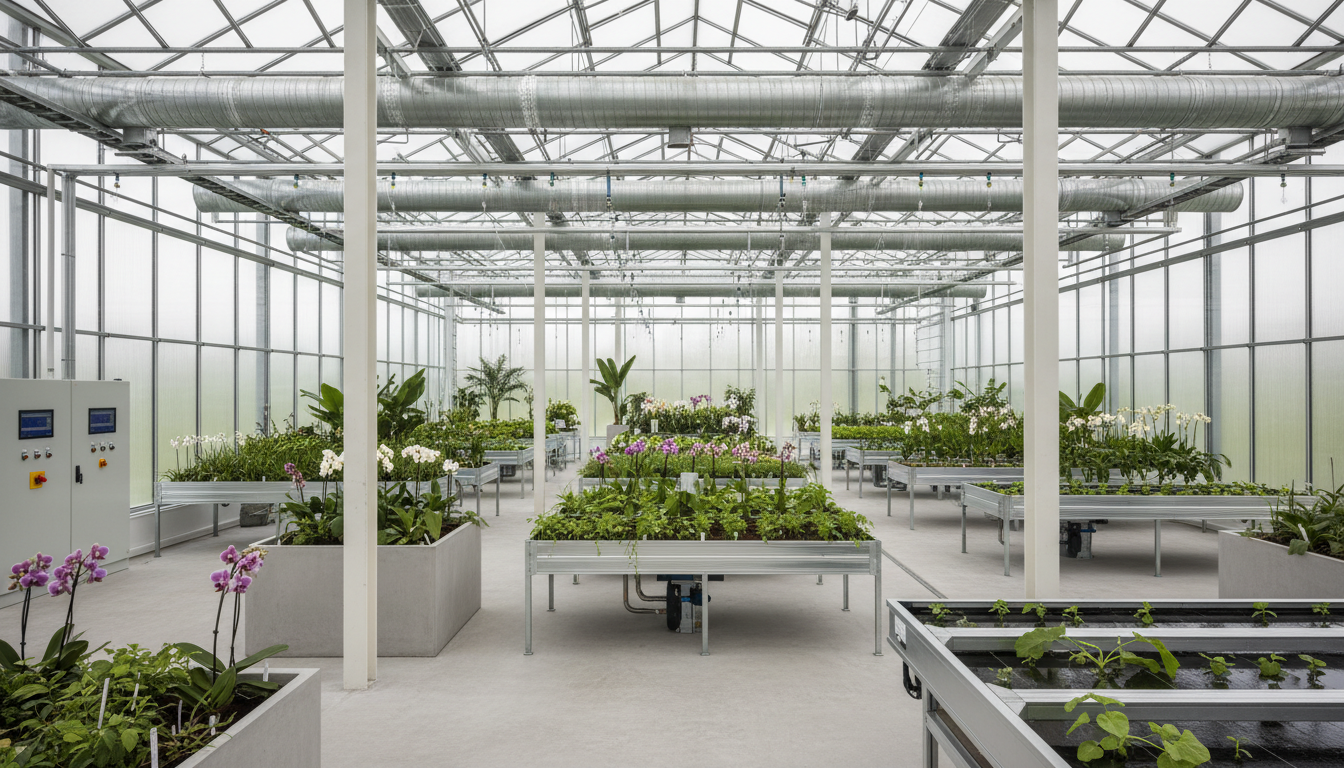
Designing a low-maintenance garden that thrives in any climate begins with understanding the specific conditions of your area. Different climates require different strategies, so it's essential to consider factors such as temperature range, rainfall, and sunlight availability. Conducting a little research on your local climate can help you select plants and materials that will require less care.
Choosing the Right Plants
Selecting plants that are native to your region is a great way to ensure they will thrive with minimal intervention. Native plants are adapted to local conditions and often require less water, fertilizer, and pest control. Additionally, consider using drought-resistant or perennial plants, which can handle various weather patterns while remaining low-maintenance.
Companion Planting
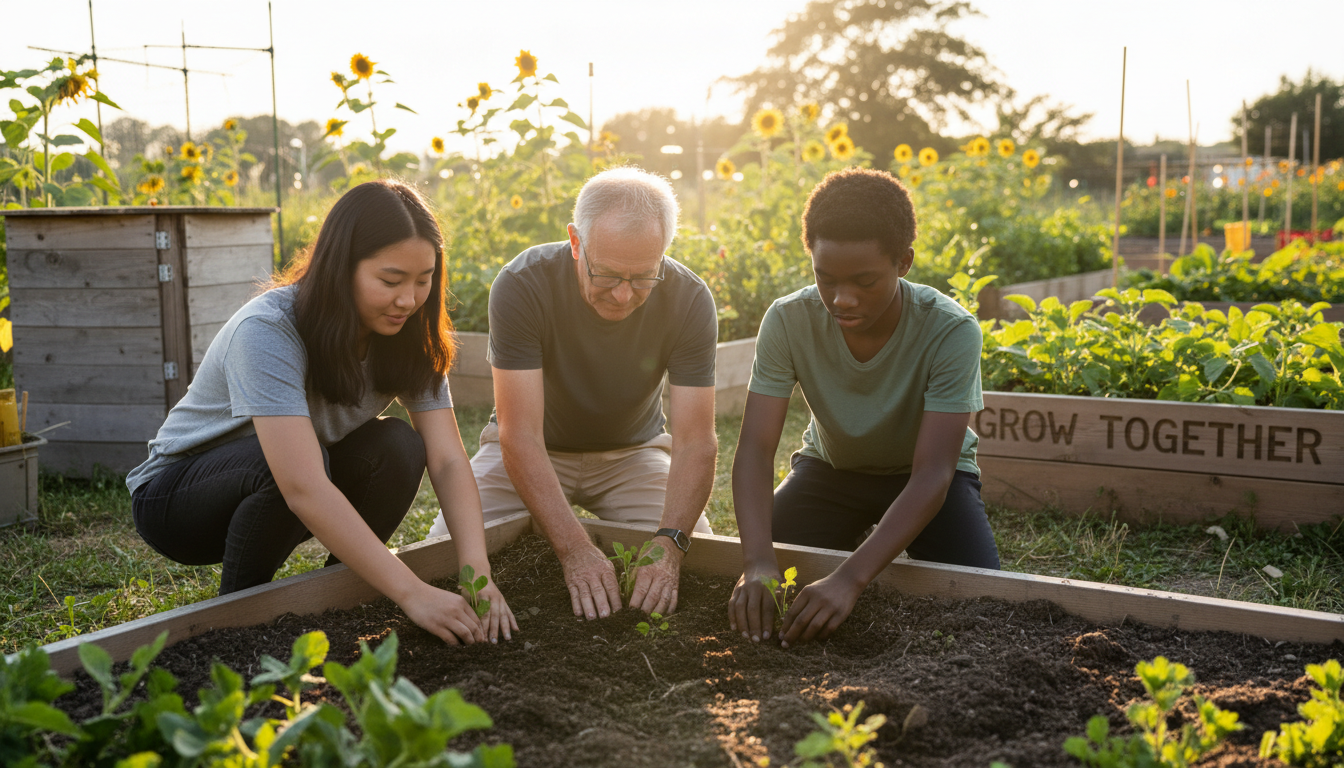
Another effective strategy is companion planting. This involves placing plants with complementary characteristics together, which can enhance growth, reduce pests, and minimize the need for chemical interventions. For example, planting marigolds alongside vegetables can naturally deter pests.
Efficient Irrigation Systems
Implementing an efficient irrigation system is crucial for a low-maintenance garden. Drip irrigation systems are particularly effective as they deliver water directly to the roots, reducing water waste and keeping weeds at bay. Consider installing a timer to automate watering, ensuring your plants receive consistent moisture without manual intervention.
Mulching for Moisture Retention
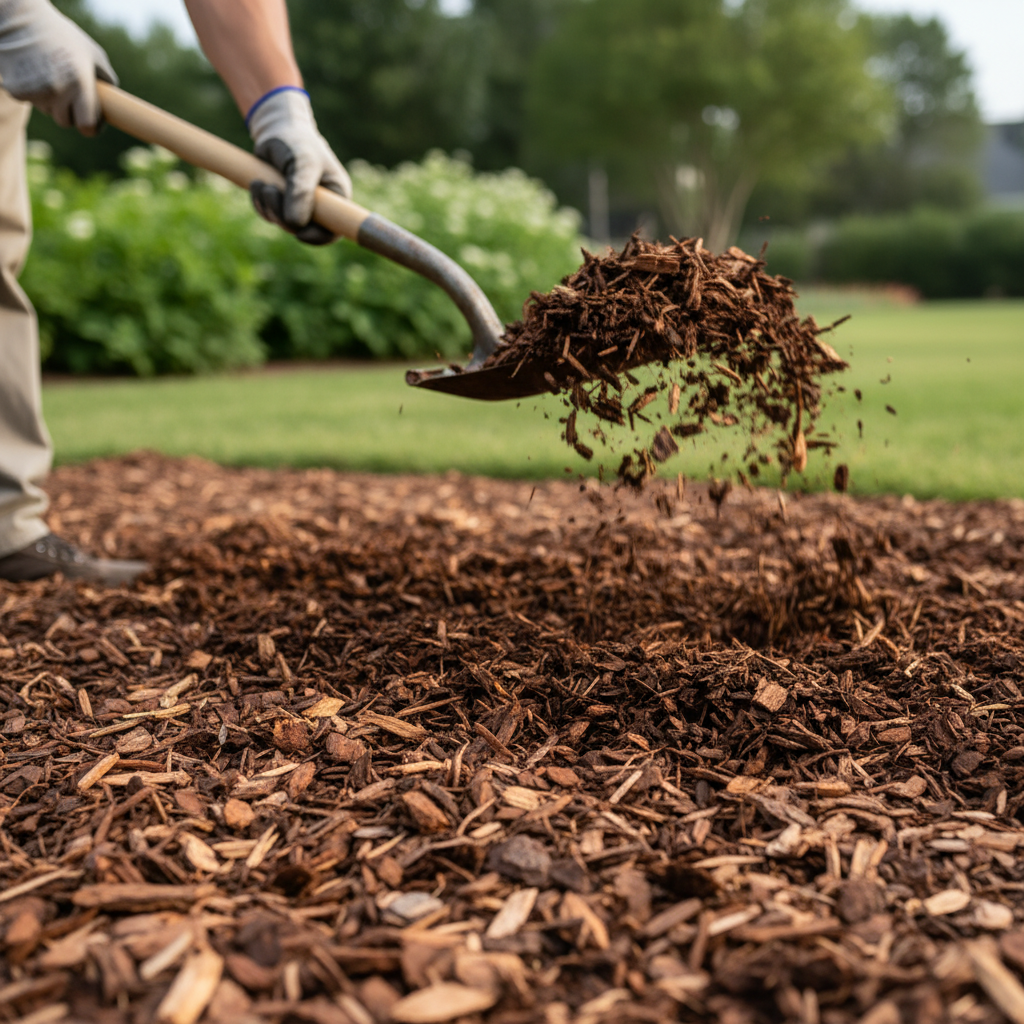
Applying a layer of mulch around your plants can further reduce maintenance. Mulch helps retain soil moisture, suppresses weeds, and improves soil quality over time. Organic mulches, such as wood chips or straw, break down gradually, adding nutrients to the soil.
Designing with Hardscapes
Incorporating hardscapes like gravel paths, stone walls, or raised beds can reduce the amount of lawn you need to maintain. These features not only add visual interest but also minimize the need for mowing and weeding. Choose materials that complement your region's aesthetic and are durable enough to withstand local weather conditions.
Using Containers and Raised Beds
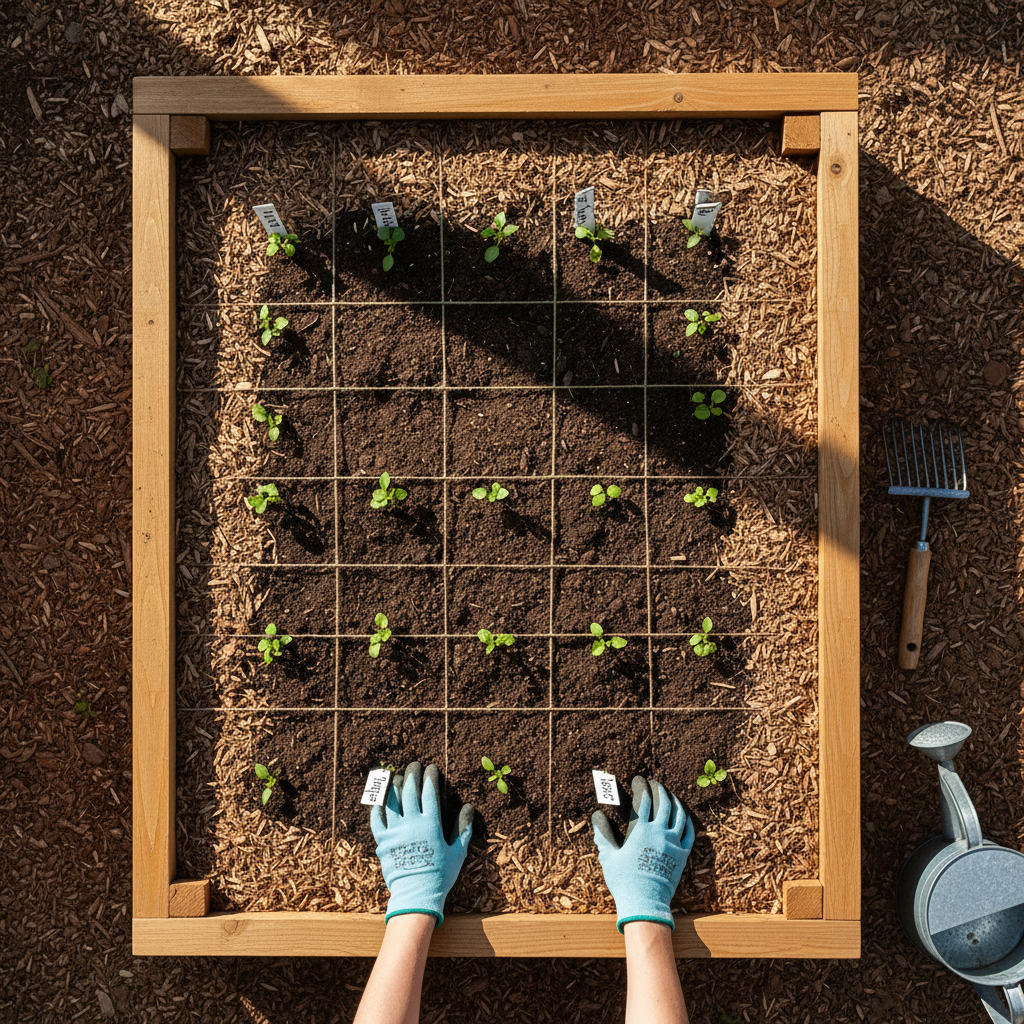
Containers and raised beds are particularly useful in areas with poor soil or challenging weather. They allow for better control of soil quality and drainage, making plant care simpler. Additionally, they can be positioned strategically to maximize sunlight exposure and shelter from harsh winds.
Regular Maintenance Made Easy
While the goal is to minimize upkeep, some regular maintenance is necessary to keep your garden healthy. Schedule seasonal tasks such as pruning, fertilizing, and pest control to stay ahead of potential issues. Using slow-release fertilizers can reduce the frequency of feeding, while integrating pest-resistant plants can lower the need for interventions.
Embrace the Seasons
Finally, embrace the natural seasonal changes in your garden. Allowing some areas to go dormant in winter, for example, can save effort and resources. By designing a garden that works with the natural rhythms of your climate, you create a sustainable, low-maintenance space that can be enjoyed year-round.