Transform Your Yard with These Expert Garden Design Tips


Start with a Plan
Transforming your yard begins with a clear and thoughtful plan. Assess your space and consider what you want to achieve. Do you want a lush garden, a serene retreat, or a vibrant entertainment area? Sketch your ideas on paper or use garden design software to visualize your dream space.
Understand Your Space
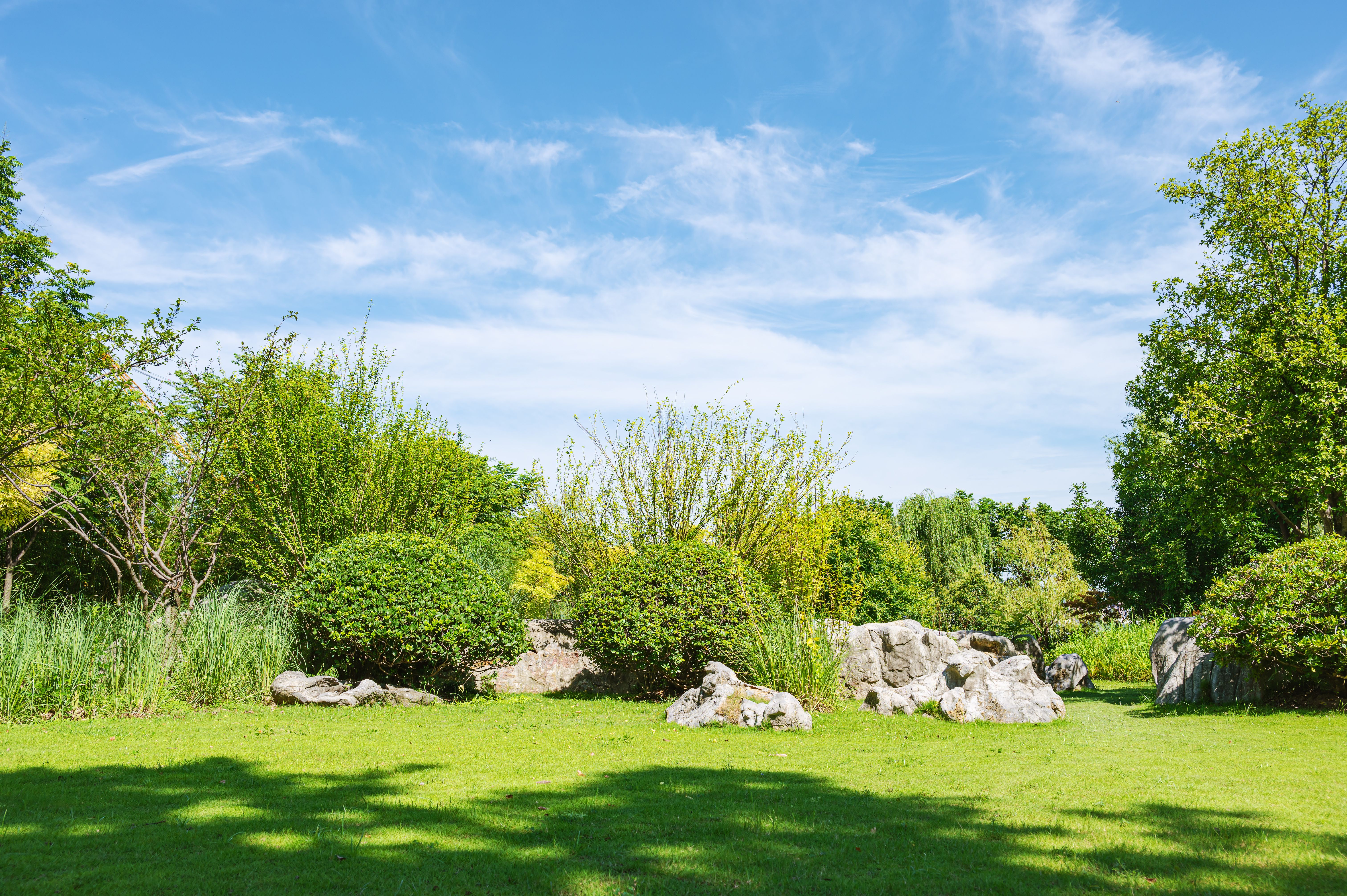
Before you dive into planting, it's essential to understand your yard’s specific conditions. Observe the sun and shade patterns, note the soil type, and identify any drainage issues. These factors will significantly influence your plant choices and overall design.
Consider the climate and choose plants that will thrive in your environment. Native plants are often a good choice as they are adapted to the local conditions and require less maintenance.
Incorporate Hardscaping
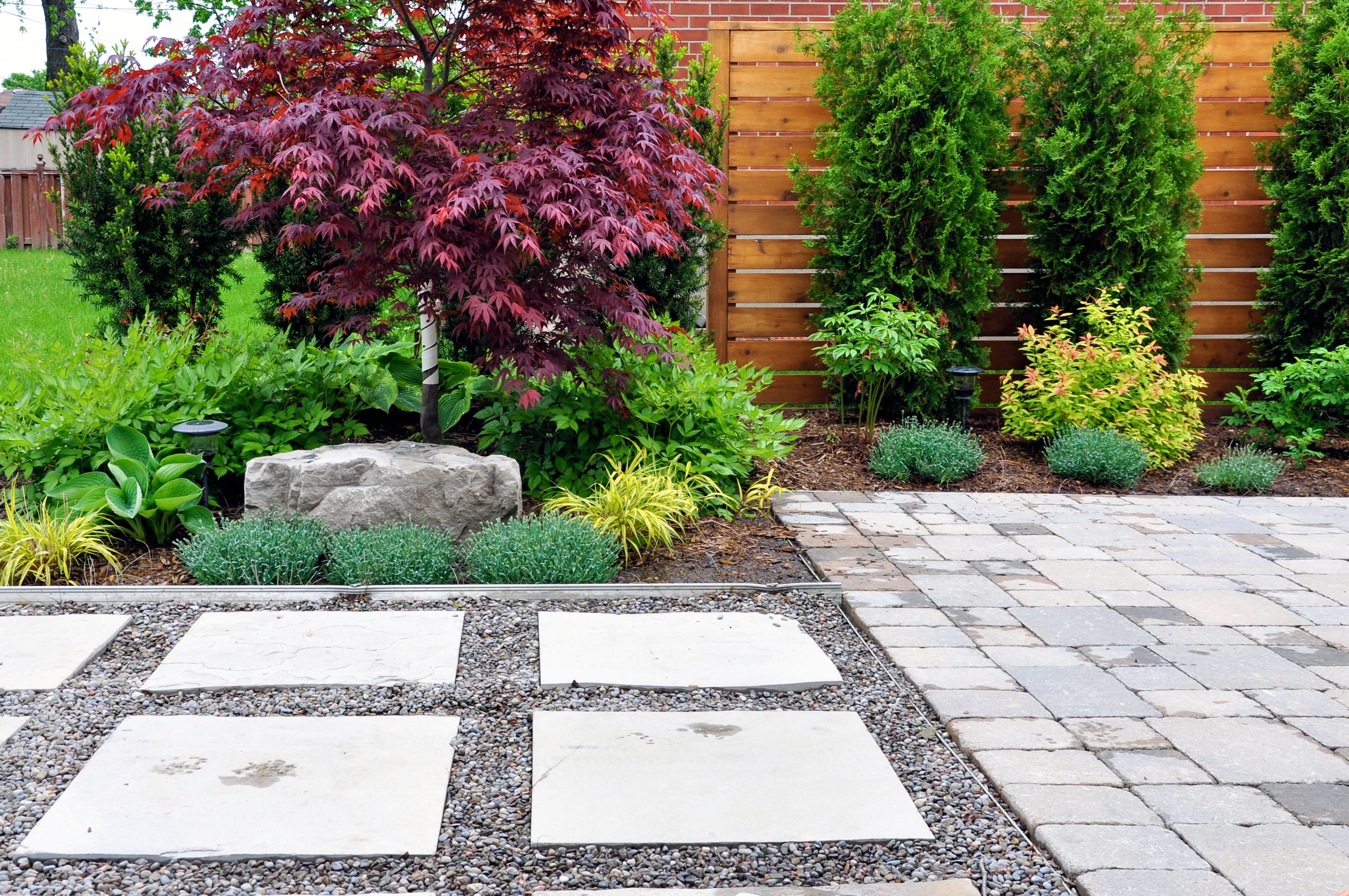
Hardscaping elements like paths, patios, and walls can add structure and functionality to your garden. Use materials like stone, brick, or wood to create a cohesive look that complements the natural elements of your yard. Paths can guide visitors through your garden, while a patio can serve as a relaxing gathering spot.
Layer Your Plants
A well-designed garden incorporates layers of plants to create depth and interest. Use a mix of heights and textures to create a dynamic landscape. Start with taller plants and trees at the back or center, followed by medium-sized shrubs, and finish with low-growing groundcovers.
Don’t forget to consider the colors and bloom times of your plants. A diverse palette will ensure your garden is visually appealing throughout the year.
Add Water Features
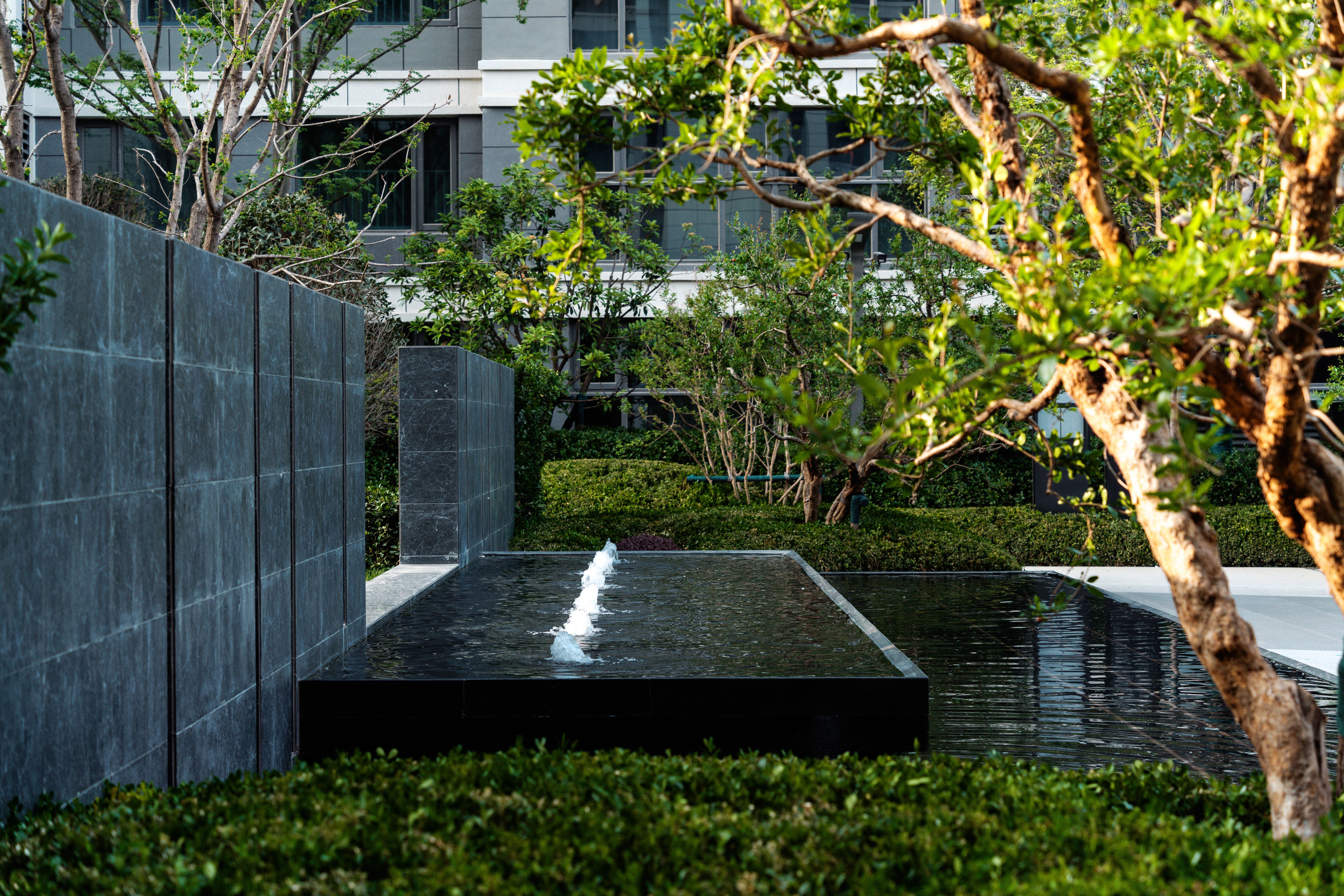
Water features like ponds, fountains, or waterfalls can add a sense of tranquility and movement to your yard. These elements can serve as focal points and attract wildlife like birds and butterflies. Consider the size and scale of your space when choosing a water feature.
Maintain Balance and Proportion
Balance and proportion are key in garden design. Ensure that all elements work together harmoniously. Large spaces benefit from bold features, while smaller yards may require more subtle designs. Strive for a natural flow that invites exploration and enjoyment.
Regular maintenance, including pruning, weeding, and mulching, will keep your garden looking its best and ensure that it remains a beautiful and inviting space.
Personalize Your Space
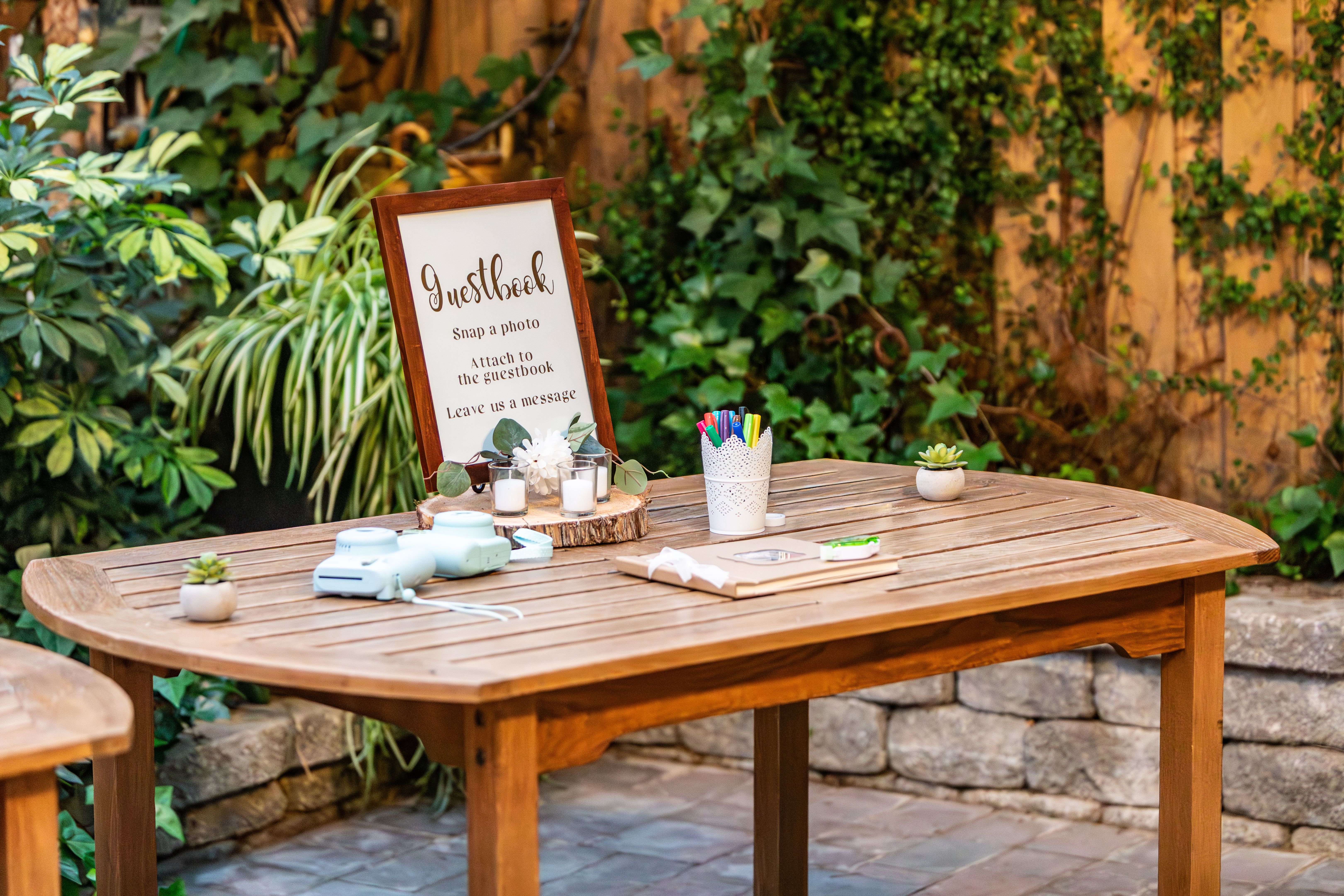
Your yard should reflect your personality and lifestyle. Add personal touches like garden art, lighting, or themed plantings to make the space uniquely yours. Whether you prefer a minimalist look or an eclectic mix, let your creativity shine.
By following these expert tips, you can transform your yard into a stunning and functional outdoor sanctuary. With careful planning and a bit of creativity, your garden will become a cherished extension of your home.